


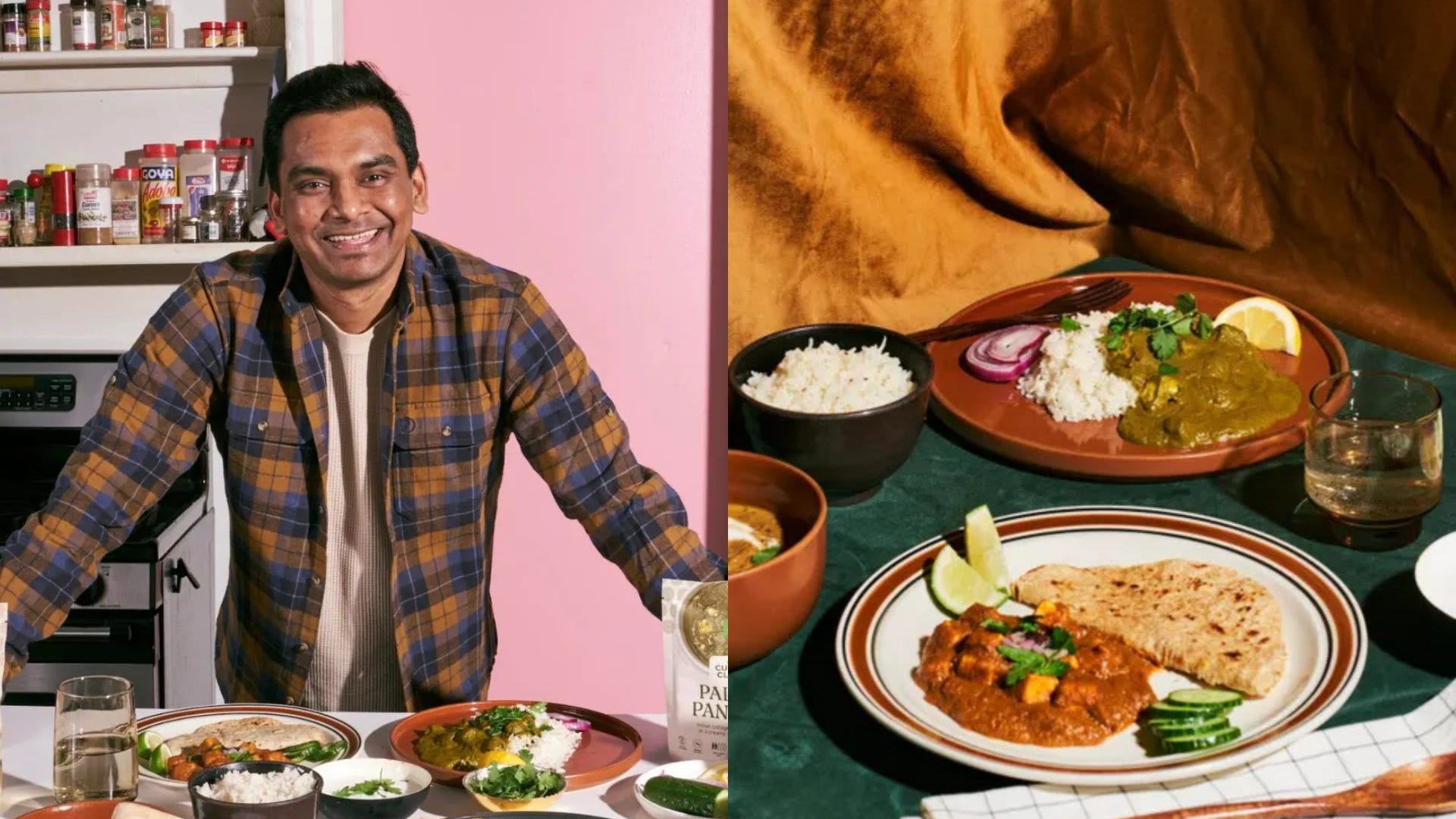
Indian food has been on shelves for years. Good Indian food? Less so.
When Ragoth Bala and his co-founders looked at existing Indian food options, the same issues kept coming up: high sodium, seed oils, and food that lost its flavor the longer it stayed on shelf.
Packaged Indian food had a reputation problem. And they decided to fix it.
Instead of changing the dishes themselves, they focused on how the food was made. The Cumin Club uses freeze-drying technology to preserve flavor, nutrition, and texture. The result is an Indian meal you can make in five minutes that still tastes like something worth eating.
00:20 - The mind behind The Cumin Club
03:42 - Co-packers are a no-go
06:32 - Let it simmer
11:15 - Living that shelf life
14:09 - In it for the ride
Start with the problem you’re solving, not the category you’re entering. Elan and Kiki didn’t start with “let’s make a better yogurt.” They started with a simpler question: how do you deliver probiotic benefits through something people already eat every day? Get the problem right first. Then, the product follows.
Get something out early, even if it’s unfinished. The first batches of Sourmilk didn’t even have a brand. They were yogurt in glass jars with tape labels. But that early feedback was what they needed to move forward. Waiting until something looks “ready” just delays the most useful signal: whether the product actually works.
Use content as proof of work, not promotion. There’s a long stretch where the idea exists but the product doesn’t. So Elan and Kiki documented their journey: factory tours, brand concepts, quitting their jobs. People followed because they were watching a company take shape, not because they were being sold to. By the time the product launched, demand already existed.
Get close to customers before you scale away from them. Sourmilk first sold directly through limited, pre-scheduled drops around New York. The model not only got product into people’s hands quickly, it also built in-person interaction and recognition. Now, when Sourmilk shows up on shelves, it’s a brand people already know.
Protect velocity, even if it means pausing growth. “We think it’s more important to be a high-velocity, high-demand product in a few stores than a mediocre one in a hundred,” Elan says. Especially with perishable products, low velocity creates immediate problems. More doors only help if the product is already moving.
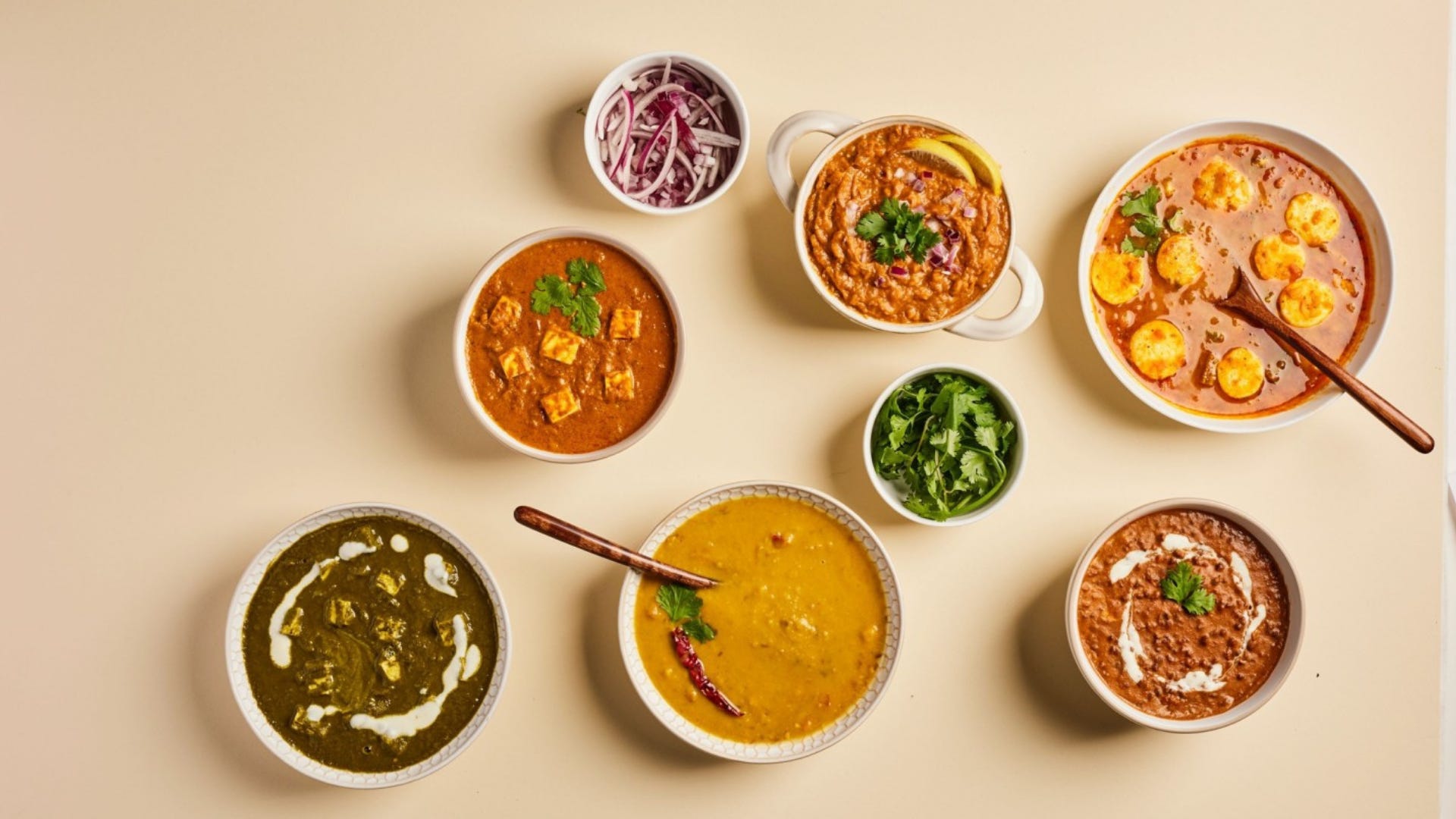
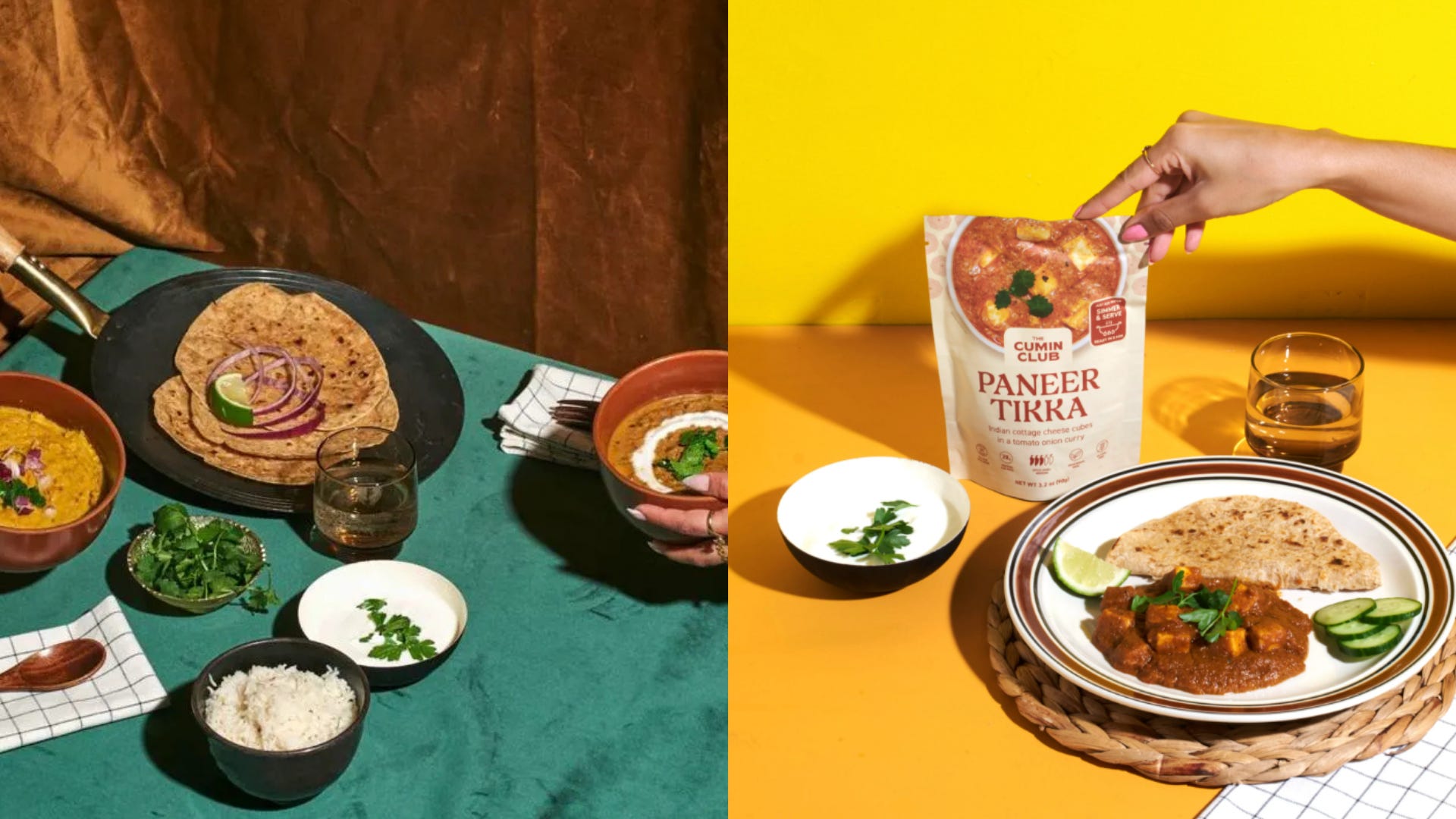
Market signal → Consumers expect convenience. But shelf-stable versions come with tradeoffs: high sodium, additives, flat flavor. Winning brands don’t just make it easy. They make it worth eating.
If this/then fix that
A QA check for shelf-stable, ready-to-eat food.
If it only tastes good because it’s salty → Then the dish isn’t holding up on its own. Hold the salt and test lower-temp cooking, shorter cook times, or alternative preservation (drying, freezing, batching post-cook) until it’s flavorful on its own.
If you’re using seed oils for mouthfeel or richness → Then you’re compensating for texture loss. Rework the base (ingredients, hydration, cook step) so oil isn’t doing all the work.
If the dish tastes flatter over time → Then shelf life is degrading flavor. Taste your product at 0, 3, and 6 months and adjust the cooking method, moisture control, and flavoring process.
If you still need to add other ingredients → Then it’s not really ready-to-eat. Rework the recipe so it’s good enough to eat on its own. No sauce or seasonings required.


