


Happy Tuesday. This week, we’re sharing:
🌽 A corn allergy, an ancient grain, a co-founder named Novak Djokovic
🎬 RIP “Sell by”, retail media goes Hollywood, and $9.99 is still the money number
🥤 2026 Functional Beverage Trends, Ingredients, & White Space
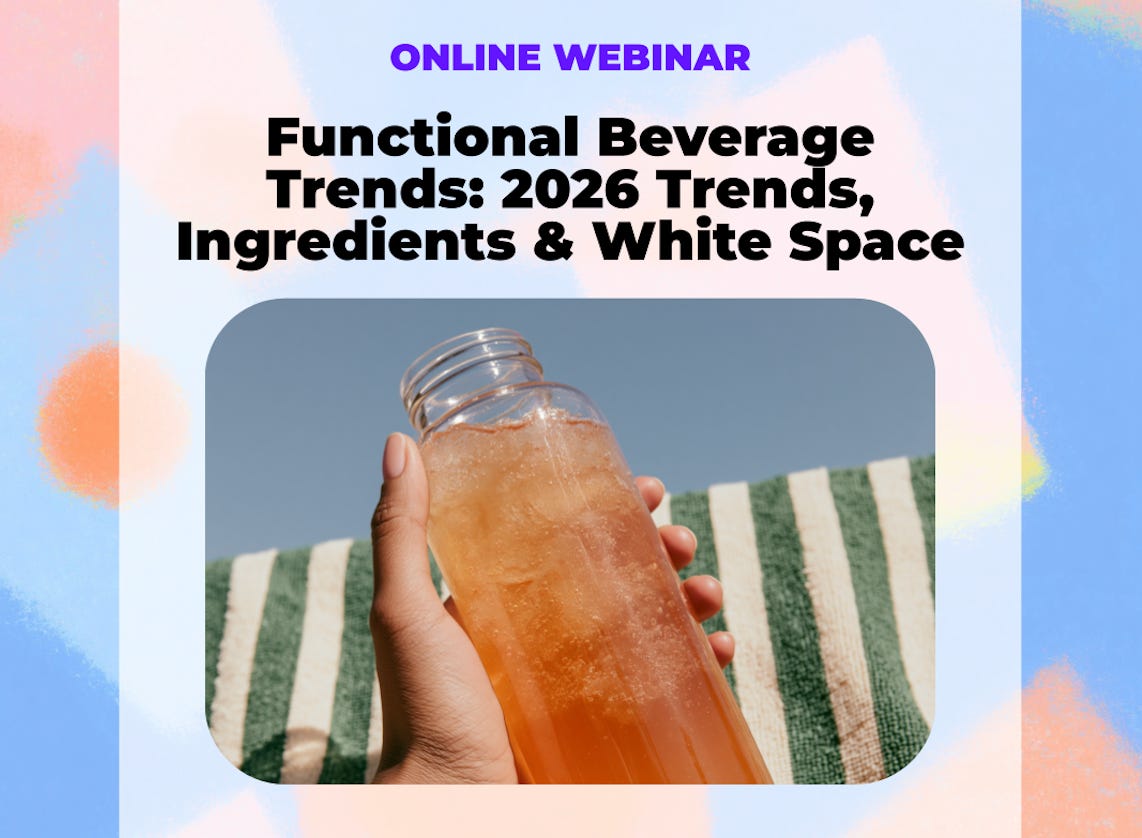
I’m joining Spate this Thursday to talk about one of the busiest corners in CPG: functional beverages.
We dig into real search and social data (Google, TikTok, Instagram, Reddit) to separate what’s becoming consumer behavior from what’s just conversation.
I also share what it means for brands. Because knowing what’s trending is nice. Knowing what to do about it is better.
Come nerd out. Come ask questions. Come lurk. If you make beverages or just drink way too much sparkling water, I think you’ll enjoy it.
📅 Thursday, July 23 | 🕛 12pm ET

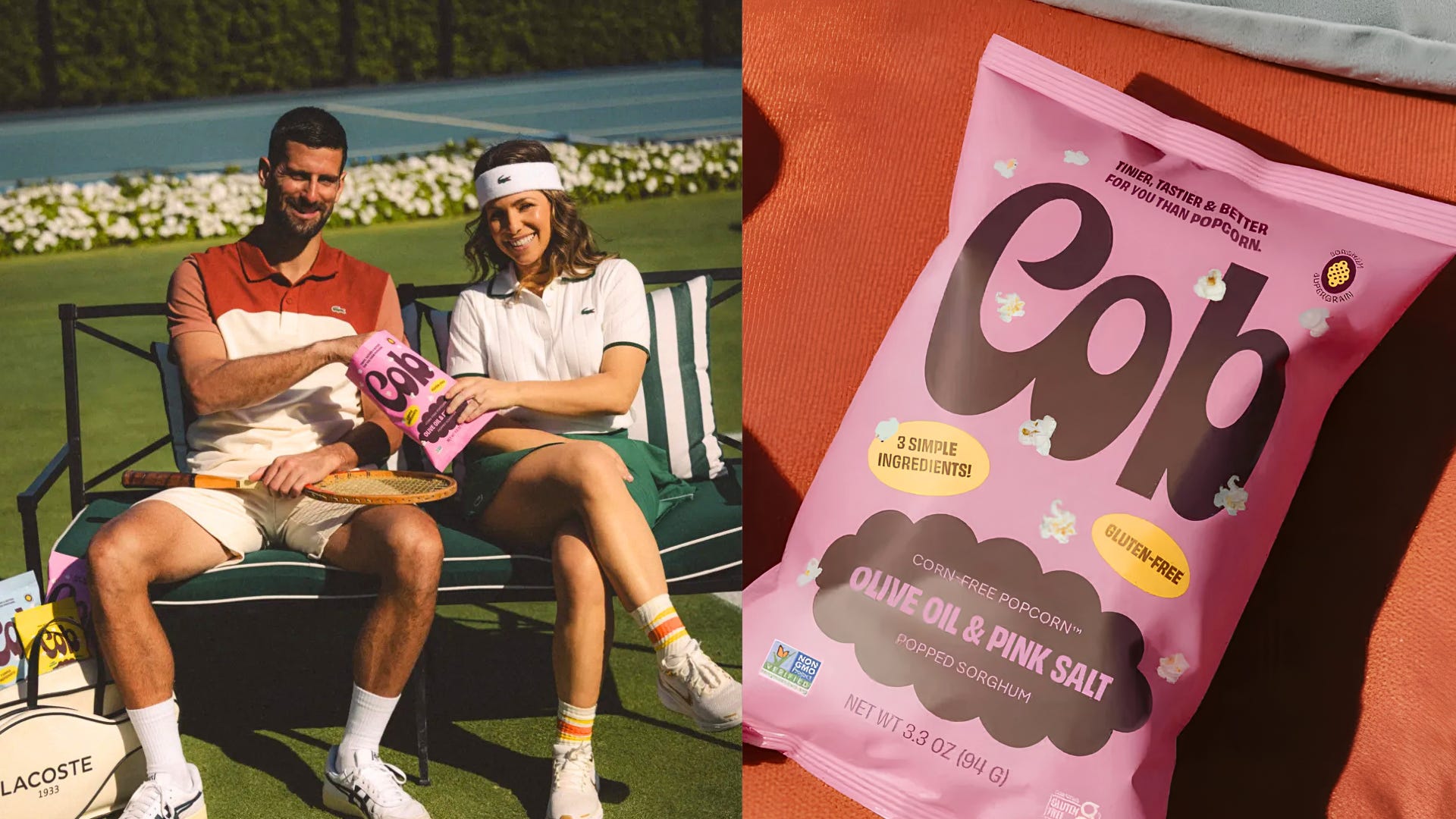
Meet Jess Davidoff, co-founder and CEO of Cob. Her co-founder? 24-time Grand Slam champion Novak Djokovic.
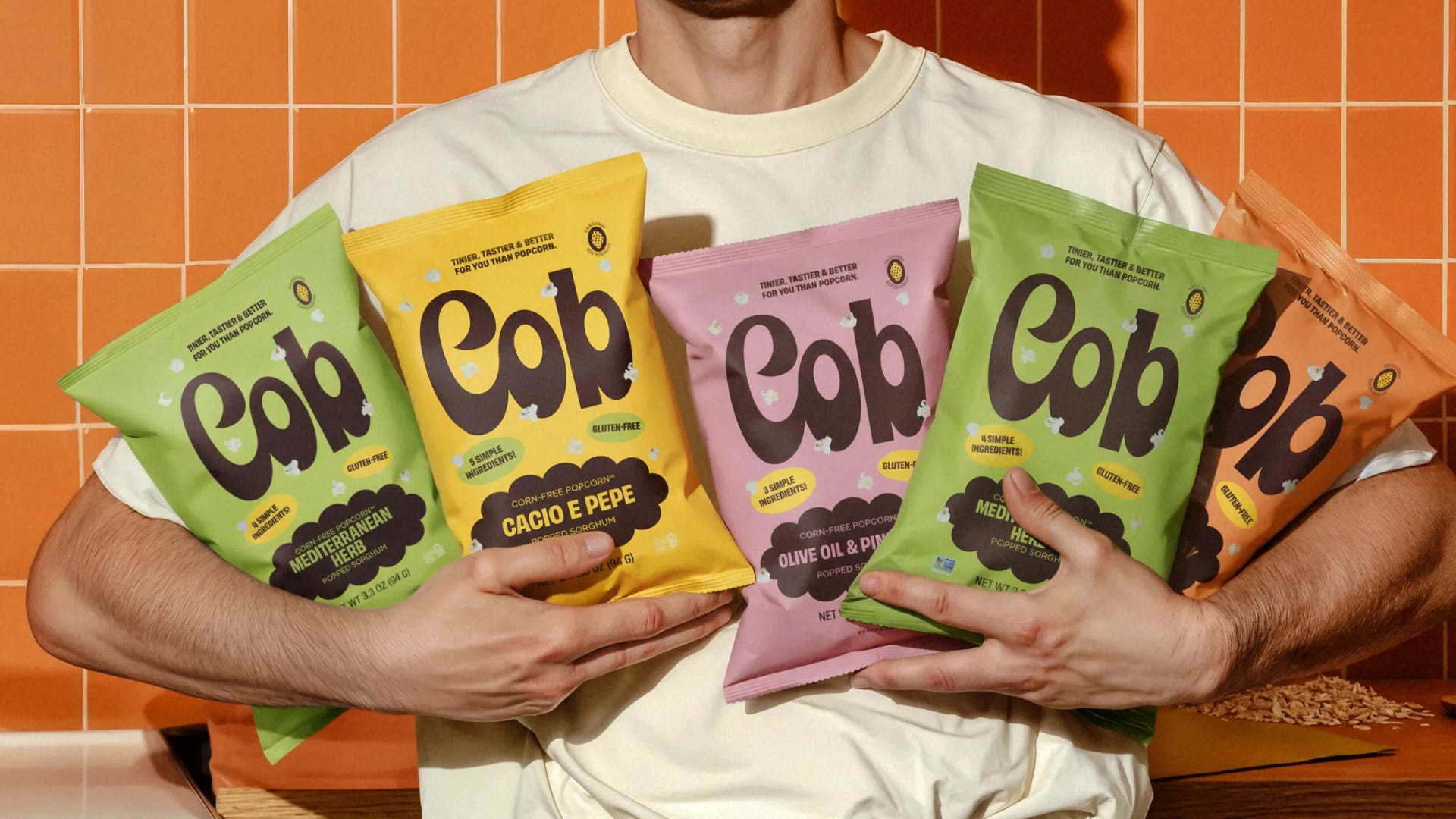
Cob makes corn-free, gluten-free snacks from an ancient grain called sorghum. It started when Jess’s son developed severe health issues: hair falling out, nails peeling, and 32 doctors who couldn’t explain why. After months of tracking everything he ate, Jess found the culprit: a severe corn allergy.
Going corn-free meant rebuilding the family pantry, including their favorite snack: popcorn. Jess tested grain after grain before landing on sorghum, which pops like popcorn and comes with a better nutritional profile. She introduced it at a Hamptons farmers market, where it sold out every weekend. The product was popular. The ingredient was not.
Enter Novak. He was already talking about nutrition and eating ancient grains long before Cob existed. One introduction to his manager, two months of conversations with his nutrition team, and Novak joined Cob as co-founder, leading the company’s $5 million seed round.
Launched last December, Cob did nearly $400K in its first month and is already the #34 best-selling popcorn on Amazon. And it’s not even popcorn.
00:15 - The mind behind Cob
04:58 - My god, it tastes just like popcorn
09:34 - I met Novak over Zoom
14:32 - We raised a $5M dollar seed round
18:17 - America’s the #1 sorghum grower in the world
23:19 - Nothing that wouldn’t be in your kitchen pantry
28:06 - I live and breathe the product and the brand
$400K: First-month sales, against a $75K projection
2 months: Time from first introduction to Novak joining Cob as co-founder
$5M: Seed round led by Jess and Novak before launch
Curiosity gets the first bite. At the farmers market, Jess didn’t lead with antioxidants, prebiotic fiber, or resistant starch. Her pitch was simple: “Do you want to try corn-free popcorn?” Curiosity got people to try it, and taste got them to buy it. The nutrition only came after. Founders love explaining why their product is better. Customers usually need a reason to care first.
The sample doesn’t sell the snack. The person sampling it does. Most brands sample to get people to try the product. Cob samples to explain what the product is. Without any context, Cob’s popcorn looks like… small popcorn. But with someone there to explain that it’s corn-free, made from sorghum, and delivers better nutrition, it becomes something people remember. If your product needs explaining, the pitch isn’t marketing. It’s part of the product.
Don’t let the experts make decisions for your customer. When a formulator told Jess that kids wouldn’t eat parmesan, she wasn’t convinced. So she tested it out. She invited the Little League team she coaches over for a blind taste test: parmesan versus cheddar. Parmesan was the clear winner. Category expertise tells you what usually sells. But consumers show you what actually sells.
Retail is great for scaling demand. Not creating it. Most founders race for retail shelves. But a grocery store isn’t the best place to launch something no one’s heard of. Cob’s customer isn’t wandering the aisles hoping to learn about a new ancient grain. They’re buying what they came for and moving on. So Cob is focusing on DTC, Amazon, and specialty retailers. Places where they can tell their story and build demand before distribution.
Celebrity isn’t the strategy. It’s the proof. Novak Djokovic didn’t make Cob a great product. He confirmed that it already is. Even before Cob, he had spent years talking about nutrition, avoiding gluten and dairy, and eating ancient grains. Jess didn’t find a celebrity to tell the story. She found someone who was already part of it.
Market signal → Discovery doesn’t happen where people buy. It happens where they pay attention. Retail is built for convenience, not curiosity. New products need awareness before they need a place on a shelf.
What’s your one-liner?
The familiar thing gets attention. The unexpected twist piques curiosity.
The formula: [Familiar thing] + [unexpected twist] = curiosity
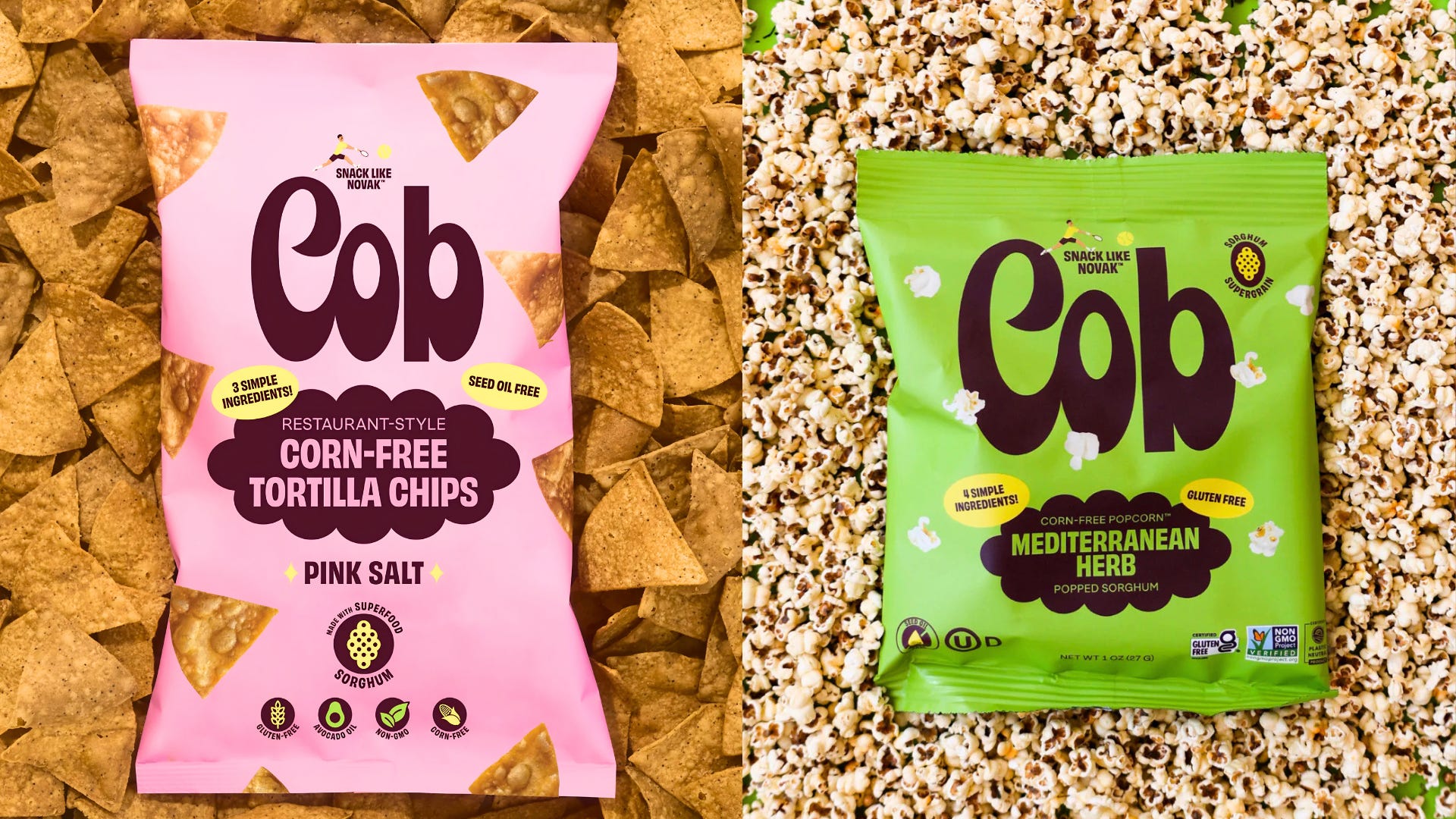
Popcorn without corn
Protein bars that taste like dessert
Coffee that helps you sleep
Soda with functional benefits

Private label is having its moment: Americans are shopping more like Europeans, where store brands make up nearly half of sales (and national brands are sweating).
RIP “Sell by”: The confusing label blamed for 1/5 of all food waste is being replaced with two standardized terms: “use by” and “best if used by.”
$9.99 is still the money number: Everyone knows it’s a pricing trick. Everyone still falls for it.
Retail media goes Hollywood: Albertsons dropped a 22-episode branded series with P&G called Rico’s Tacos.
Shoppers aren’t just buying cheaper. They’re buying less: June grocery unit sales fell 1.8% YoY, the sharpest drop since the slowdown began.
Chipotle is becoming a food tech investor: The chain’s venture fund just backed six agrifood tech companies, from soil health to biometric payments.
Veggies go clubbing: Plant-based food is leaving the grocery aisle and entering nightlife.
The new food pyramid has a carbon footprint: The 2026 dietary guidelines could raise diet-related emissions by up to 33% by shifting recommendations toward more meat.
Hopkind is a premium + non-alc + functional beer: It was bound to happen.
July 23 (Virtual): 2026 Functional Beverage Trends ✨✨ (I’ll be making an appearance on this one!)
July 23 (Virtual): Claude & CPG 101
July 27 (Virtual): Pitch Practice
July 31 (NY): Winners and Wipeouts in Social Commerce
Aug 4 (NY): Creators and Brands Open Mic & Mixer
Aug 13 (NY): How Brands are Rethinking Returns without Killing Customer Trust
Aug 13 (Chicago): Taste Radio Meetup
Aug 18 (Virtual): McKinsey’s The State of Grocery North America 2026
Sept 8 (NY): The BFCM Pre-Game with Shopify
Sept 15 (San Diego): Taste Radio Meetup
Sept 16 (San Francisco): Taste Radio Meetup
Sept 22-24 (Las Vegas): Shoptalk Innovation Week
Oct 1 (Application Deadline): Founders & Founders by Startup CPG
Oct 20-21 (Call for Speakers): Consumer Goods Sales & Marketing Tech Summit
Dec 3-4 (LA): Nosh Live


