


Happy Tuesday. This week, we’re sharing:
🍓 How a stevia company from Iceland made Amazon’s best-selling jam
🛒 Shopping is an elimination game, Americans optimize for longevity and indulgence, and lines are the new third spaces
🎟️ Tickets now available for IFT FIRST, Anne Saxelby Legacy Fund Benefit, Consumer Goods Sales & Marketing Tech Summit

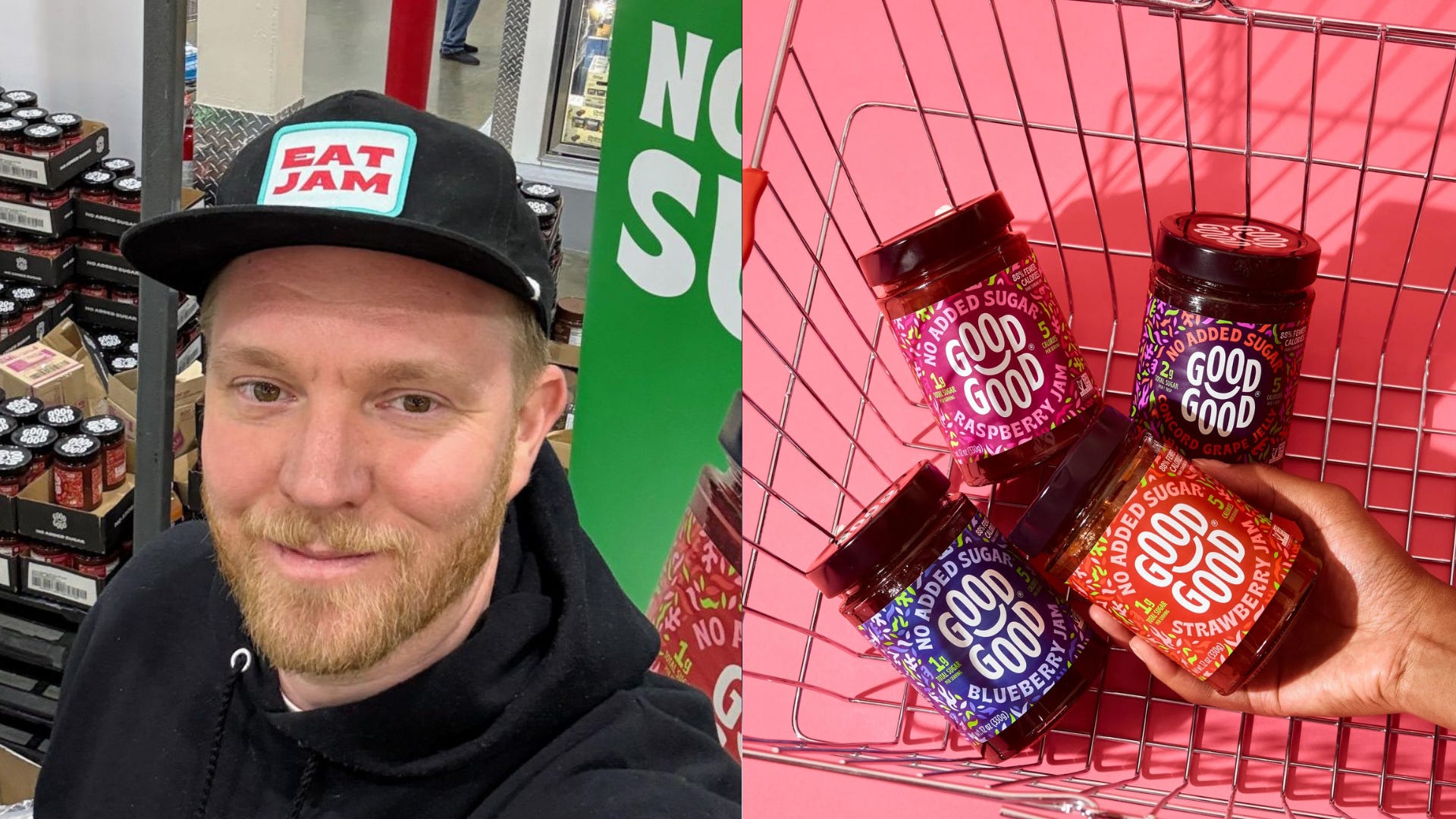
Meet Gardar Stefansson, CEO and co-founder of GOOD GOOD, the no-added-sugar spread brand that began in Iceland and is now in over 10,000 U.S. stores.
The company started out selling stevia. But when sales never took off, Gardar and his co-founders found themselves with warehouses full of inventory and a choice: take the loss or pivot.
They pivoted to jam. Every fall, Gardar picked wild blueberries and made jelly at home. And every fall, he thought it used way too much sugar. So they started experimenting with stevia instead.
That batch was, in his words, “probably the worst thing I ever tried in my life.” They made it again. And again. Nearly a hundred iterations later, what started as a warehouse of unsold stevia became one of America’s fastest-growing spread brands.
00:08 - The mind behind GOOD GOOD
3:45 - It became the best-selling jam on Amazon
08:22 - The biggest surprise is it actually tastes good
12:46 - We’re producing a couple million units a year
18:02 - Have a strategy for every state
22:21 - I absolutely love reading Amazon reviews
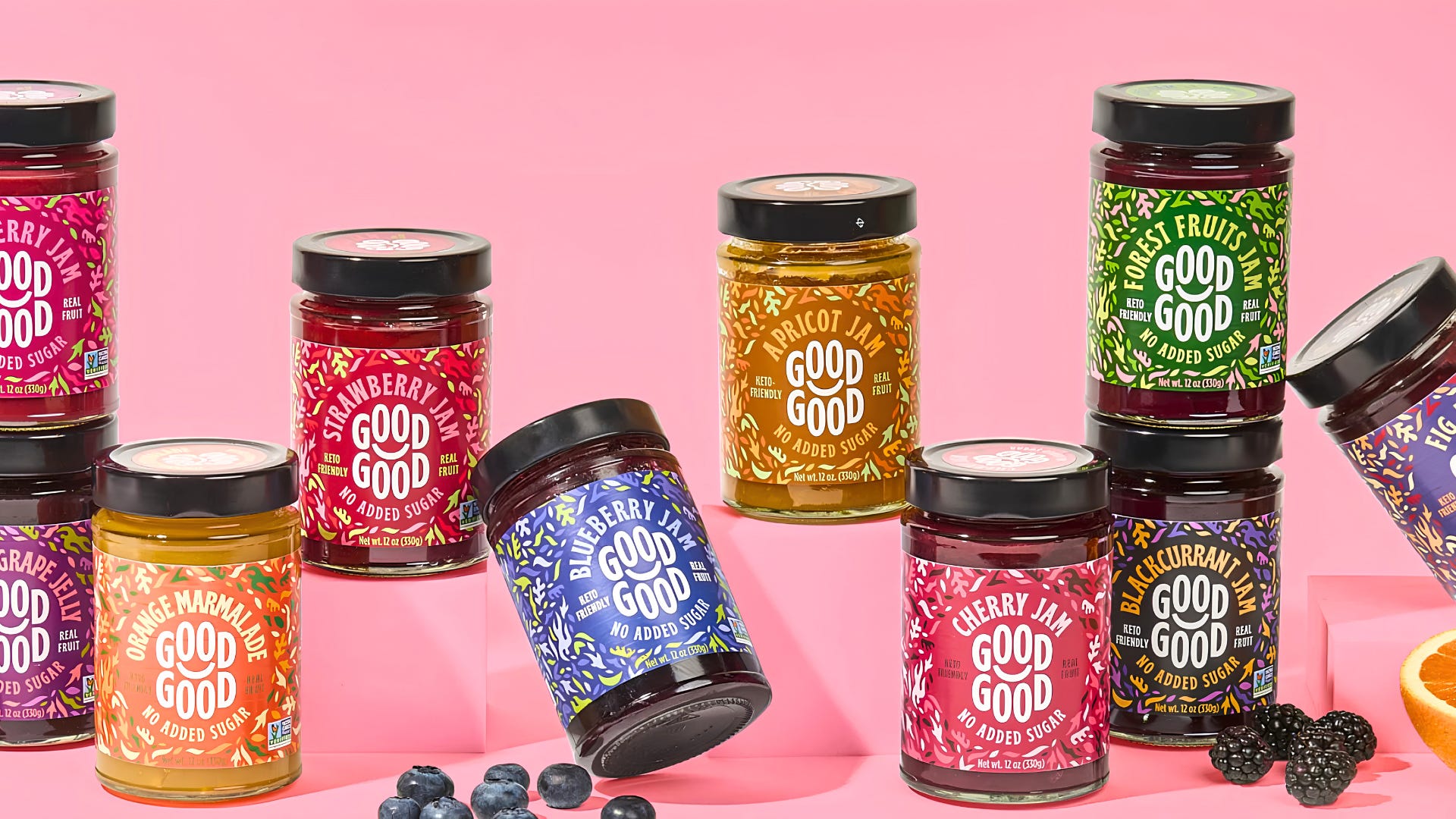
100+ batches: What it took to go from “worst thing I ever tried” to shelf-ready
$20M: Raised in 2022, five years after entering the U.S. market
3-4 units/store/week: GOOD GOOD’s current velocity (industry average is 1)
Sell the outcome, not the ingredient. GOOD GOOD’s early packaging focused on stevia because that’s what the founders were excited about. But shoppers didn’t care about stevia. They cared about sugar… or the lack of it. Sales improved when they stopped leading with the ingredient and started leading with “No added sugar.”
Each state is its own market. The U.S. looks like one country on a map. But it doesn’t operate like one. GOOD GOOD expanded into too many regions too quickly, spreading marketing dollars, distributor attention, and founder bandwidth thin. Looking back, Gardar would’ve built velocity in one region before opening the next. Density beats dots on a map.
Read reviews, especially the bad ones. “I’m a thorough reader of Amazon reviews, the good ones and specifically the bad ones,” says Gardar. Bad reviews sting. They also tend to be unusually specific. Amazon shoppers are paying more than grocery shoppers for the same jar. That makes their feedback expensive to earn and surprisingly useful.
Growth starts with margin. Ask Gardar what matters most and he won’t say branding or marketing. He’ll say margins. Between freight, promotions, tariffs, deductions, harvest failures, margins are what determine whether scale is sustainable or self-destructive. Growth only matters if you still make money when you get there.
Big brands are built on boring decisions. There wasn’t one breakthrough that made GOOD GOOD work. It was tweaking the recipe. Adding more fruit. Redesigning the package. Reading every review. None of those decisions are headlines on their own. Together, they built the business.
Market signal → Better-for-you brands don’t become big by winning a niche. They become big when the people who don’t need the product start buying it too.
The “Would my roommate eat it?” test
Every category has early adopters. But they don’t build billion-dollar brands. Ask yourself:
Would someone with no interest in your product’s health claim still eat it?
Would your roommate, with no dietary restrictions and no reason to care, enjoy it?
Take the health claim off the label. Does anyone still want it?
Would they buy it again, or was once enough?
If it only works for one niche, that’s your floor. Not your ceiling.

Shopping is now an elimination game: Consumers aren’t asking “What do I want?” They’re asking, “What’s still worth it?”
Both are true: Americans are optimizing for longevity and indulgence (creatine before noon, cocktails after work).
Are lines the new third spaces? For Gen Z, the queue is becoming as social (and as valuable) as what’s on the menu.
Big bets on tiny cans: Beer companies are betting smaller pours can bring drinkers back.
Sustainable protein has a scale problem: A new $2M lab is focused on getting sustainable proteins out of the lab and into products.

July 7 (Virtual): Outsmart Bigger CPG Brands with AI
July 7 (Virtual): The TikTok Shop Launch Playbook
July 8 (Virtual): McKinsey Live: The next era of consumer competition
July 9 (NYC): From Noise to Momentum: How Emerging CPG Brands Actually Win in 2026
July 10 (Grant Deadline): Summer 2026 Makers Mindset – $30K for women-led consumer brands)
July 12-15 (Chicago): IFT FIRST
July 16 (Virtual): UNFI and KeHE Deductions: Brand Playbook
July 19-24 (New Orleans): Tales of the Cocktail 2026
July 28 (Grant Deadline): Capital and Catalyst Grant – $40K for women-founded food and beverage businesses
July 28 (Virtual): FMI State of the Industry Q3
Sept 17 (NY): Anne Saxelby Legacy Fund Benefit
Oct 20-21 (Chicago): Call for Speakers at the Consumer Goods Sales & Marketing Tech Summit


