


Happy Tuesday. This week, we’re sharing:
🍯 How thick honey in a tube turned a commodity into a conversation piece
📊 The least glamorous Amazon growth strategy (and also the most profitable)
🤖 Chobani’s sugar problem, CPG power players, from Goblin Mode to Pilot Mode

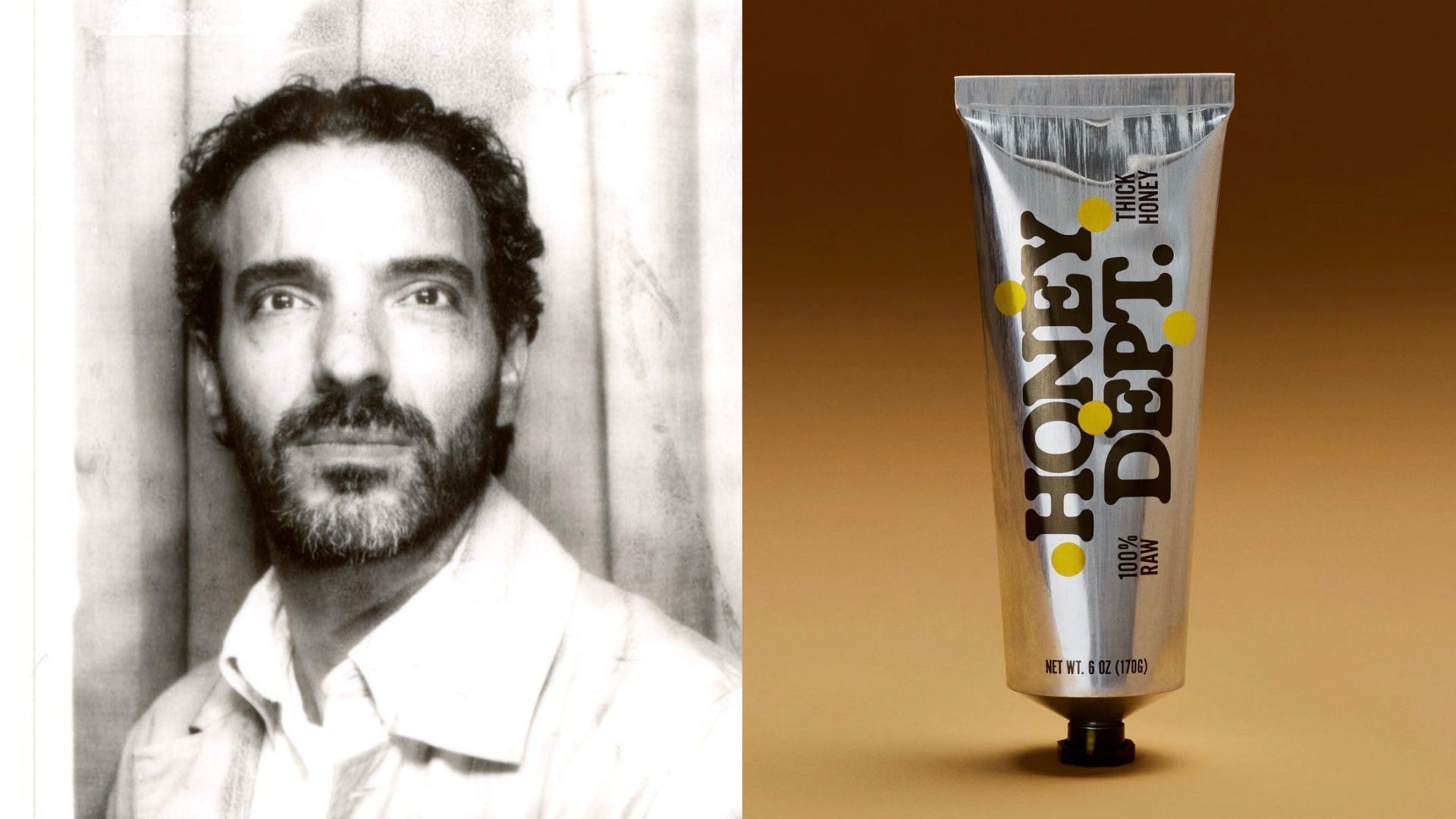
Meet Noah Phillips, founder of Honey Department, a rising brand selling 100% thick raw honey in a silver tube.
Noah spent over a decade in advertising and design, runs his own studio called Foreign National, and has a dad who’s a hobbyist beekeeper.
“I’ve been around bees and honey for years, and every time I go home there’s just excess honey,” he says. When his dad asked him to design a label for the honey he made, Noah saw a much bigger question: why does everyone have honey at home, but almost nobody uses it?
It gets sticky. It crystallizes. It gets pushed to the back of the pantry.
Honey isn’t broken. The experience is.
Noah gave honey a thicker format, swapped the bottle for a tube, and turned one of grocery’s sleepiest categories into something people are excited to use again.
00:20 - The mind behind Honey Department
02:27 - Out of the cupboard and onto the counter
07:07 - It interrupts the pattern and brings you in for a second look
10:51 - My market are not current honey eaters
14:06 - I’m not trying to be in the honey aisle right away
17:01 - How do we find influential, not influencers
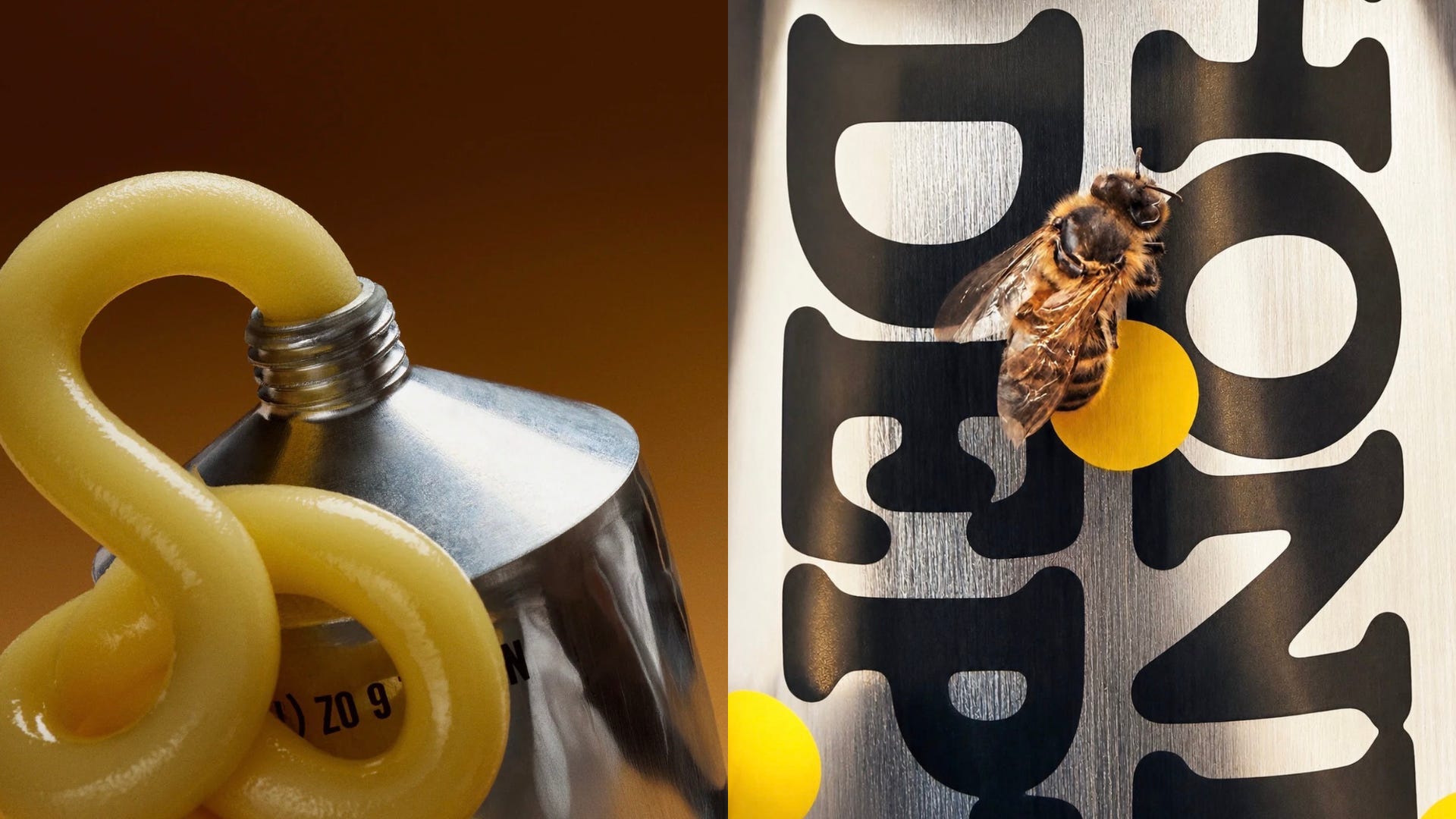
18–24 months: From concept deck to first production run
1 ingredient: 100% raw honey
20 feet: Designed to catch your eye from across the aisle
Find the friction nobody bothered to fix. The sticky bottle. The crystallized honey. The spoon you have to wash after. None of these are dealbreakers, but together they’re enough to send honey to the back of the pantry. By changing the texture and putting it in a tube, Noah is bringing an old category back into the routine.
Honey wasn’t the competition. Forgetting about honey was. A friend told Noah early on: “Your market isn’t current honey eaters. It’s people who forgot about honey.” That shifted the whole strategy. Instead of competing with other brands, Honey Department is trying to make honey part of people’s routine again. Mature categories often have a much bigger pool of lapsed users than loyal switchers.
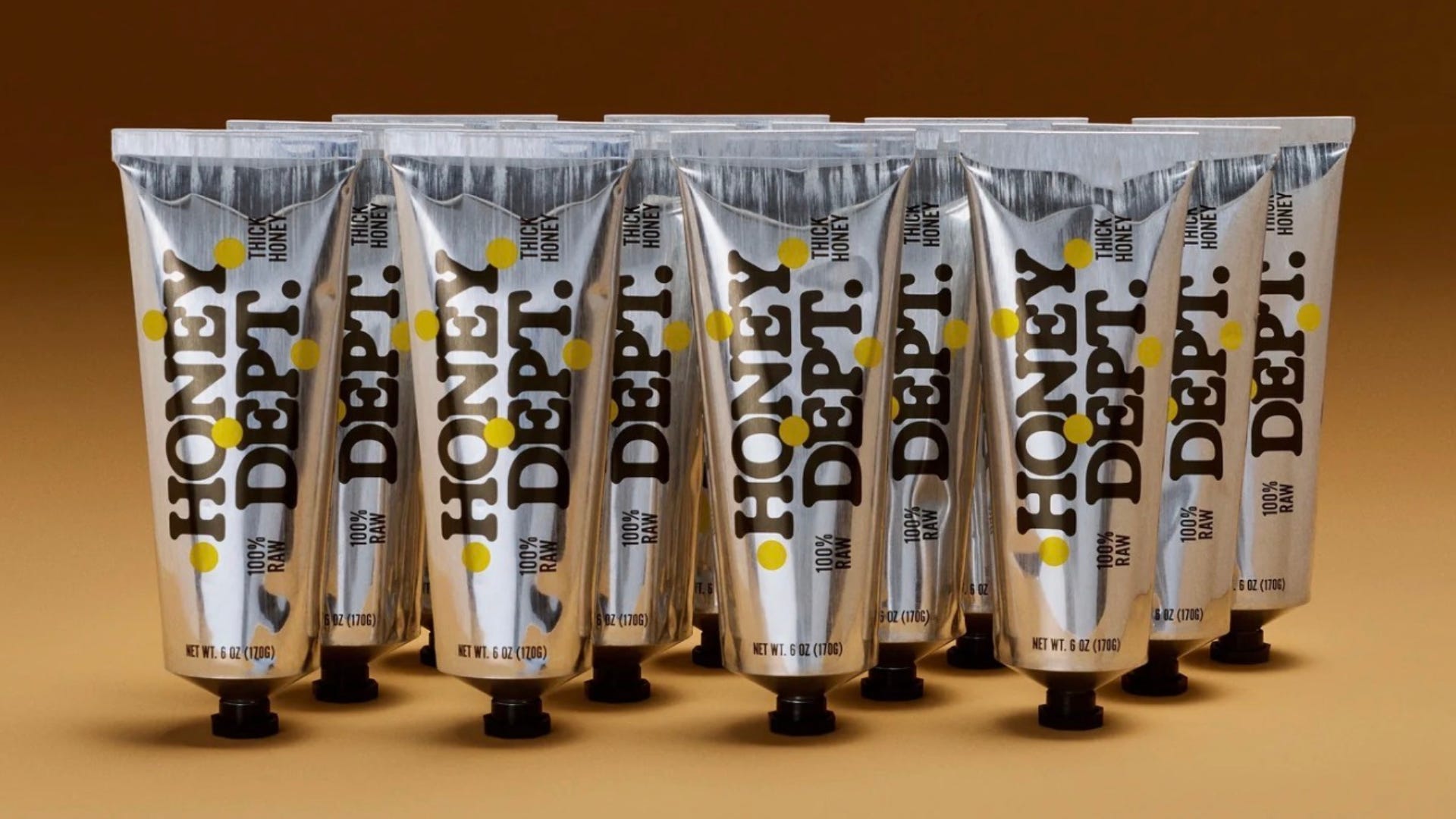
Packaging can change purchase and usage behavior. Most packaging is designed to get picked up. Honey Department is designed to be part of someone’s routine. A tube that lives on the counter instead of disappearing into the pantry. A thicker format that squeezes and spreads instead of drips and crystallizes. This honey isn’t just for tea anymore. It’s on toast, cheese boards, chips, and pizza.
Find influential people, not influencers. Noah didn’t run a huge influencer campaign or race to the grocery’s honey aisle. Instead, he focused on getting Honey Department into the hands of people whose recommendations actually carry weight, and onto the shelves of independent retailers where discovery is part of the experience. The goal wasn’t mass reach. It was resonance.
Sometimes confusion is a feature. People constantly mistake Honey Department’s silver tube for skincare. And Noah doesn’t mind. “That gets me excited because it just gets you curious,” he says. If the packaging disrupts a pattern, makes someone stop, and pick it up, it’s already done its job.
Market signal → The biggest opportunity in a mature category isn’t always stealing customers from competitors. It’s bringing back the people who wanted the product, but stopped using it.
The “forgotten category” opportunity
The best reinventions don’t convince people to buy something new. They remind people why they wanted it in the first place.
Did people already want this? Is demand proven or are you trying to create a habit from scratch?
Do they remember what they bought? Is there brand loyalty or just a product forgotten in the pantry?
Where does usage break down? Is the problem the product itself or the friction around it?
Can the experience change? Could a new format, package, or use case bring people back?
Does your product grow the category? Are you creating more usage or just convincing someone to switch brands?

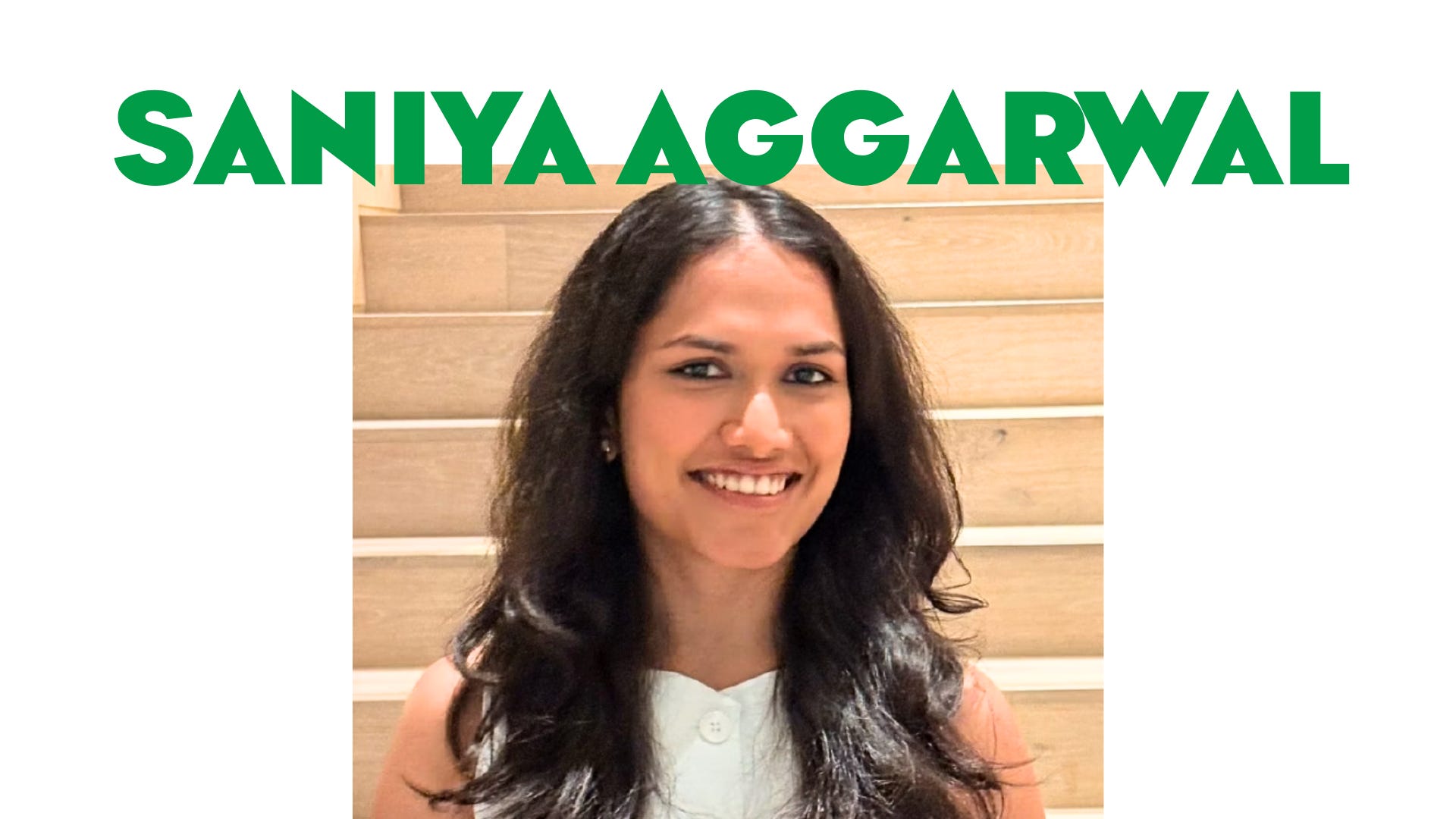
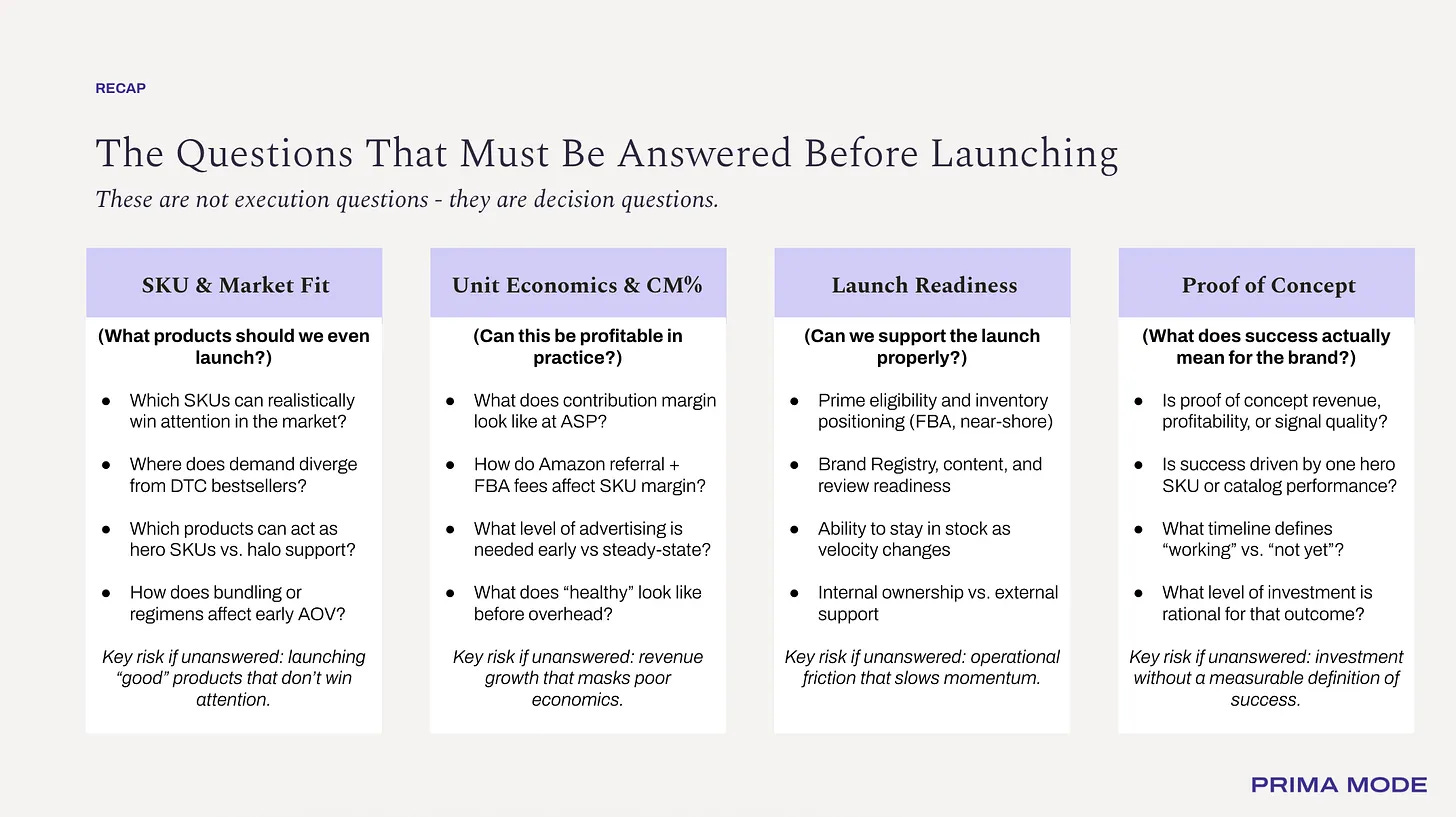
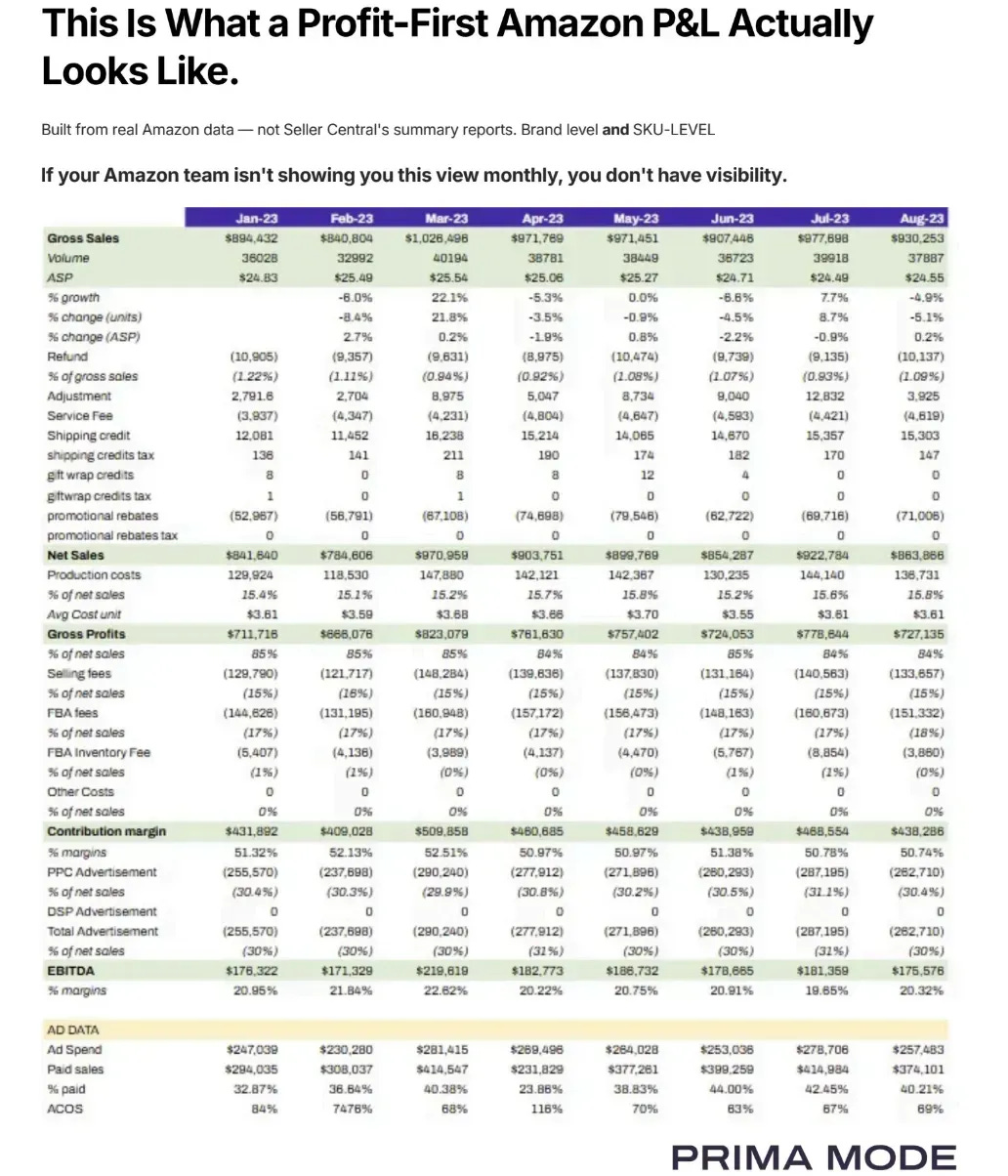
Every Amazon seller has the same instinct when sales stall: throw more money at ads. Saniya Aggarwal heads straight for the spreadsheet.
After spending years at top Amazon aggregators like Forum Brands and Thrasio, where “figure out why this brand isn’t profitable” was the whole job, she learned that more ad spend almost never fixed it.
It was pricing. It was margin structure. It was inventory decisions made months ago quietly bleeding the business now..
That's the lens Saniya’s brought to Prima Mode, where she's taken brands from $0 to $1M and advised established ones past the plateau. If your Amazon numbers aren't adding up and you've already tried fixing the ads, this is where to look next.

Chobani’s sugar problem: “Zero sugar” or “sugar free” means less than 0.5 grams of sugar per serving. Chobani Zero Sugar yogurt contains four grams of allulose.
CPG power players: The future of food isn’t just founders. See the retailers, investors, operators, and more in Nosh Impact 50: The People Shaping Food’s Next Chapter.
This year’s macro food trend: From Goblin Mode to Pilot Mode.
Add a # to your brand name: Not only does a number positively influence taste perceptions, but even more when the number is written versus numerically presented.
Cherry picking: Strawberry is predictable. Mango leans into tropical territory. Cherry is sophisticated.
A map of rising cost of goods and services: Eggs, chicken, and cheese cost less than they did a year ago, while candy, beefsteak, and fresh vegetables cost more.

Aug 4 (NY): Creators and Brands Open Mic & Mixer
Aug 13 (NY): How Brands are Rethinking Returns without Killing Customer Trust
Aug 13 (Chicago): Taste Radio Meetup
Aug 18 (Virtual): McKinsey’s The State of Grocery North America 2026
Aug 18-20 (Denver): Newtopia Now
Aug 19 (NY): GROW New York 2026
Aug 19 (Virtual): Selling at Walmart: Why, When, & How to Win
Aug 19 (Virtual): Workshop: AI for CPG Brands
Aug 21 (Application Deadline): Hudson Kitchen: The Food Business Bootcamp
Sept 8 (NY): The BFCM Pre-Game with Shopify
Sept 15 (San Diego): Taste Radio Meetup
Sept 16 (San Francisco): Taste Radio Meetup
Sept 16 (NY): The Drink with Benefits Summit
Sept 22-24 (Las Vegas): Shoptalk Innovation Week
Oct 1 (Application Deadline): Founders & Founders by Startup CPG
Oct 7-8 (NY): Food HealthTech Live
Oct 20-21 (Call for Speakers): Consumer Goods Sales & Marketing Tech Summit
Oct 20-22 (Irving, TX): Rooted Expo
Oct 28-29 (Miami Beach): The Miami Beach Food & Beverage Expo
Oct 31 (Application Deadline): Startup CPG Pavilion at Winter FancyFaire*
Dec 3-4 (LA): Nosh Live


